
Recipe
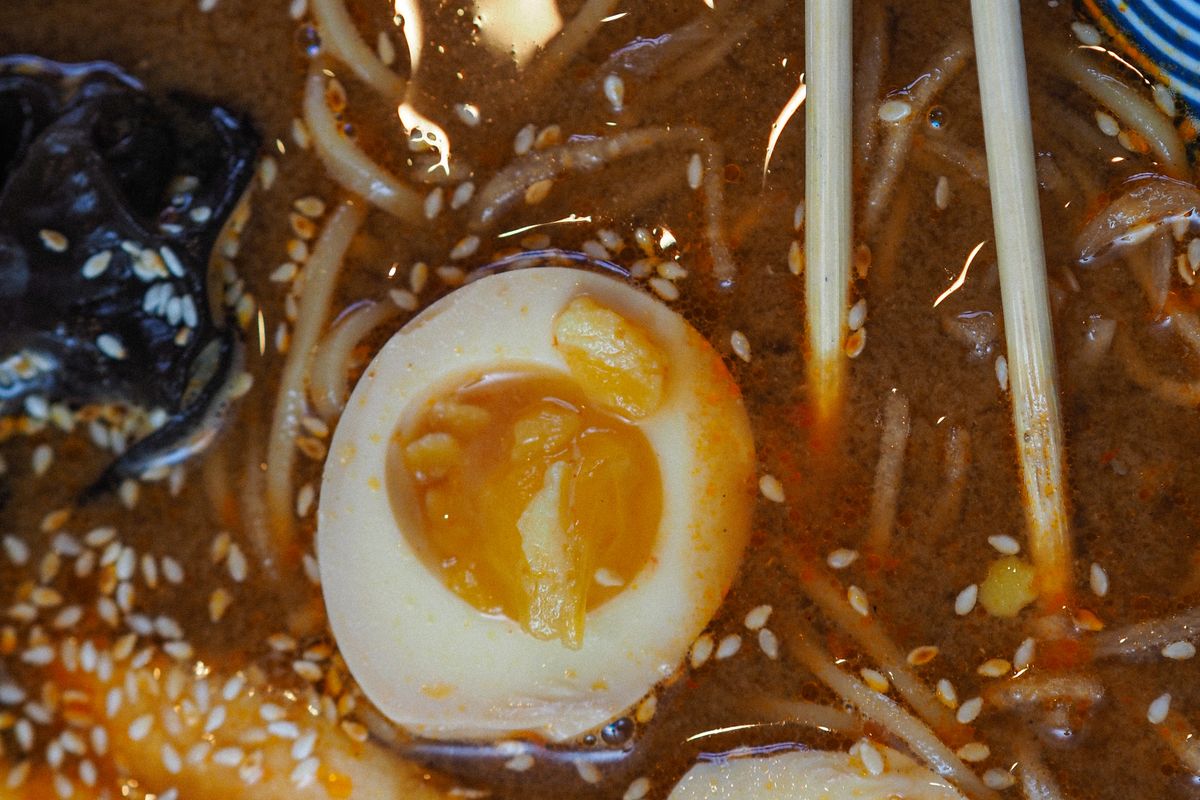
Miso Ramen with Chicken and Jammy Eggs: Big Broth, No Packet Dust
If your ramen broth came out of a foil packet, we're fixing that tonight, and nobody has to simmer bones for twelve hours to do it. This bowl tastes...
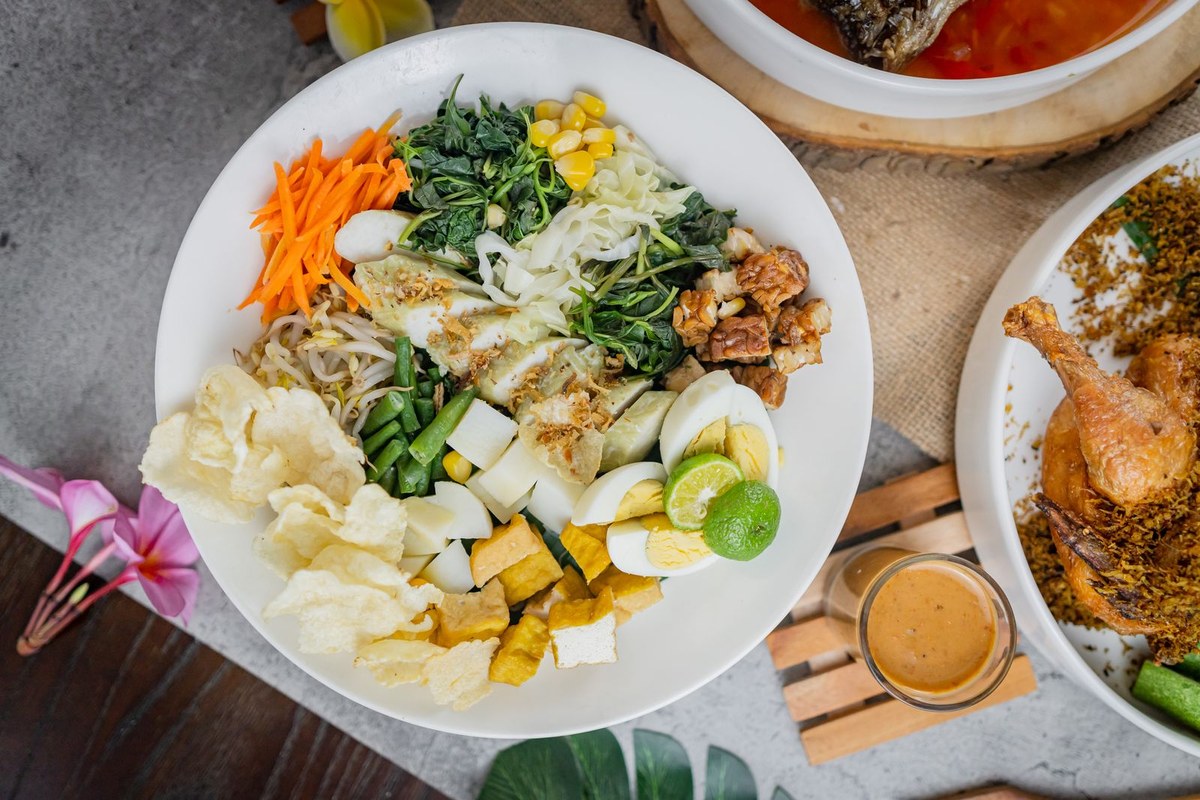
Call this a salad if you want. Then watch a plate loaded with eggs, fried tofu, fried tempeh, potatoes, and lontong shut that argument down in about four bites. Gado gado means mix mix, and the name is the whole job description. Cooked vegetables in one pile, fried stuff in another, and a peanut sauce with enough body to hold a spoon upright.
This is one of my favorite foods, no debate at my table. The vegetables stay bright because each one takes a quick trip through boiling water and then gets out. Nothing sits in the pot in one big batch until it's tired and grey. The tofu and the tempeh hit hot oil until they're golden with crisp edges. Then the warm sauce goes on and the plate stops being polite.
The sauce is where people blow this dish. Too thin and it runs off into a puddle at the bottom of the plate. Too thick and it lands in clumps and stays there. You want it to pour slow off a spoon and coat the back of it. Peanuts, garlic, and chiles get pounded or blended first, then the paste gets fried, then kecap manis, tamarind, and palm sugar go in. Salty, sweet, sour, heat. Taste it and fix it before it ever touches the plate, because once it's on, there's no editing.
Start with the eggs. Bring a medium pot of water to a boil, lower the eggs in with a spoon, and cook them for 9 minutes. Move them straight into a bowl of ice water for 5 minutes, then peel them and set them aside. Cut them in half right before the plate gets built, so the yolks stay clean.
Fill a large pot with salted water and bring it to a boil. Add the potato cubes and cook them for 10 to 12 minutes, until a knife slides in with no fight. Lift them out with a slotted spoon and spread them on a plate. Keep the pot of water at a boil, because every vegetable goes through that same pot.
Blanch the vegetables in batches, and pull each batch out with the slotted spoon as soon as it's done. Green beans get 2 minutes. Cabbage gets 1 minute. Carrots get 1 minute. Corn gets 1 minute. Bean sprouts get 30 seconds. Spinach goes in last and comes out as soon as it wilts, about 30 seconds. Drain each batch well and lay the vegetables out in loose piles so they stop cooking and stay bright.
Make the sauce base. Put the peanuts, the garlic, and the chiles in a blender or food processor with 1/4 cup of the warm water and run it into a coarse paste. If you're working with peanut butter, skip the machine and stir the peanut butter together with finely minced garlic and the chiles or sambal. Heat the 1 tbsp oil in a medium saucepan over medium heat, add the paste, and fry it for 2 to 3 minutes, stirring the whole time, until it darkens a shade and smells cooked.
Finish the sauce in the same pan. Stir in the kecap manis, the tamarind water, the palm sugar, the kosher salt, and the rest of the warm water. Bring it to a low simmer and cook it for 3 to 4 minutes, stirring often, until it pours slow off a spoon and coats the back of it. Add warm water a spoonful at a time if it gets too thick. Taste it. It should land salty first, then sweet, then sour, with heat at the end. Fix the balance now and keep the sauce warm on low.
Fry the tofu. Pour the 1/2 cup oil into a wok or a deep skillet and heat it to 350°F over medium high heat. Pat the tofu cubes dry, lower them in without crowding the pan, and fry them for 4 to 5 minutes, turning them once or twice, until they're golden on most sides. Lift them out onto a rack or a paper towel lined plate and give them a light pinch of salt while they're hot.
Fry the tempeh in the same oil. Add the tempeh cubes and fry them for 3 to 4 minutes, turning them so the edges color on more than one side, until they're deep golden and crisp at the corners. Drain them the same way as the tofu. Turn the heat off under the pan.
Warm the lontong slices. Steam them for 2 minutes, or microwave them under a damp paper towel for about 45 seconds, until they're soft at the edges. Cold rice cake in the middle of a warm plate is a momentum killer, and this plate has momentum to protect.
Build the plate on a large platter, or split everything across 4 dinner plates. Set each vegetable down in its own pile: carrots, spinach, corn, cabbage, bean sprouts, and green beans around the outside, potatoes and lontong in the middle, tofu and tempeh in their own piles where people can see the fried edges. Set the egg halves on top with the yolks up, tuck the lime halves in next to them, and scatter the fried shallots over the center. Spoon warm peanut sauce over the plate, or pour it into a small glass and set it beside the plate for pouring at the table. Put the crackers on the side and serve it right away, while the tofu is still crisp and the sauce is warm.
Make a double batch of the sauce and thank yourself all week. It keeps for 7 days in a sealed container in the fridge, and cold sauce firms up, so loosen it with warm water a spoonful at a time and give it a short warm-up before it goes on anything. The extra batch earns its rent fast: grilled chicken, cold noodles, rice bowls, and a spoon standing in front of the open fridge at midnight.
If your ramen broth came out of a foil packet, we're fixing that tonight, and nobody has to simmer bones for twelve hours to do it. This bowl tastes...
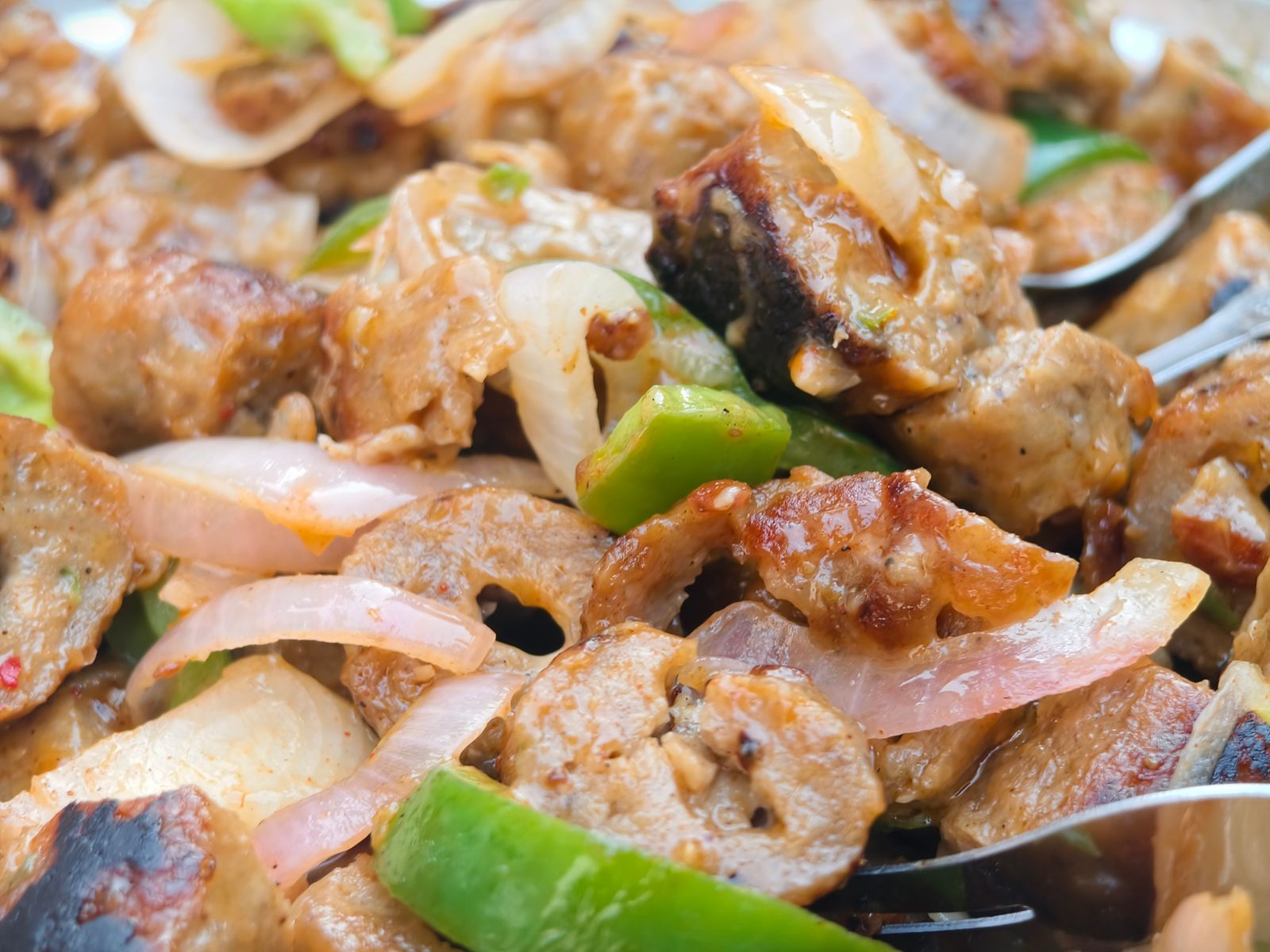
You smell this one before you see it. I've been halfway across a fairground, headed somewhere else on purpose, and that mix of sausage fat, peppers...
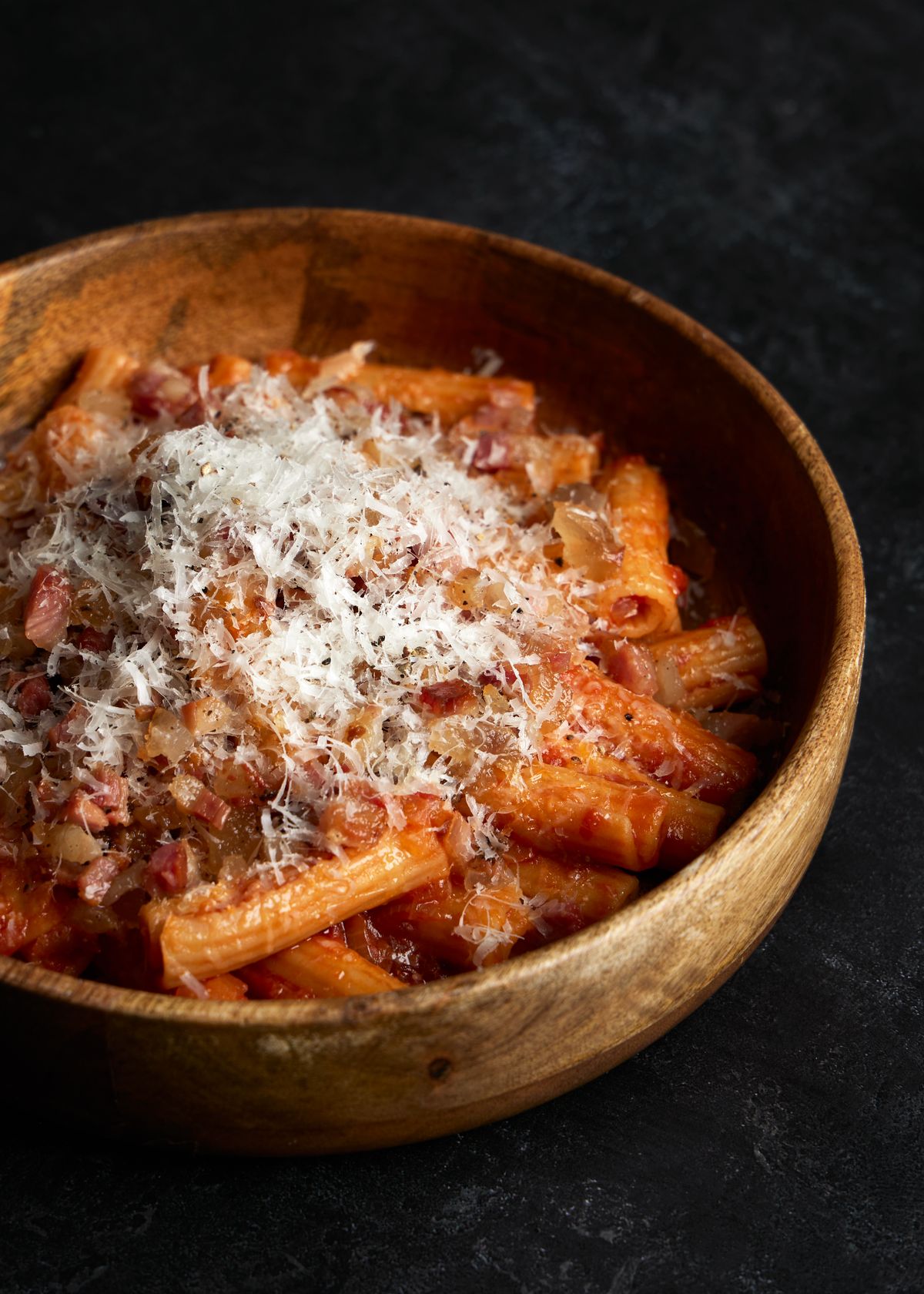
Some pastas whisper. This one walks in loud, in a pink sauce, with crispy prosciutto on top like it owns the place. I have fed this to people who...