
Recipe
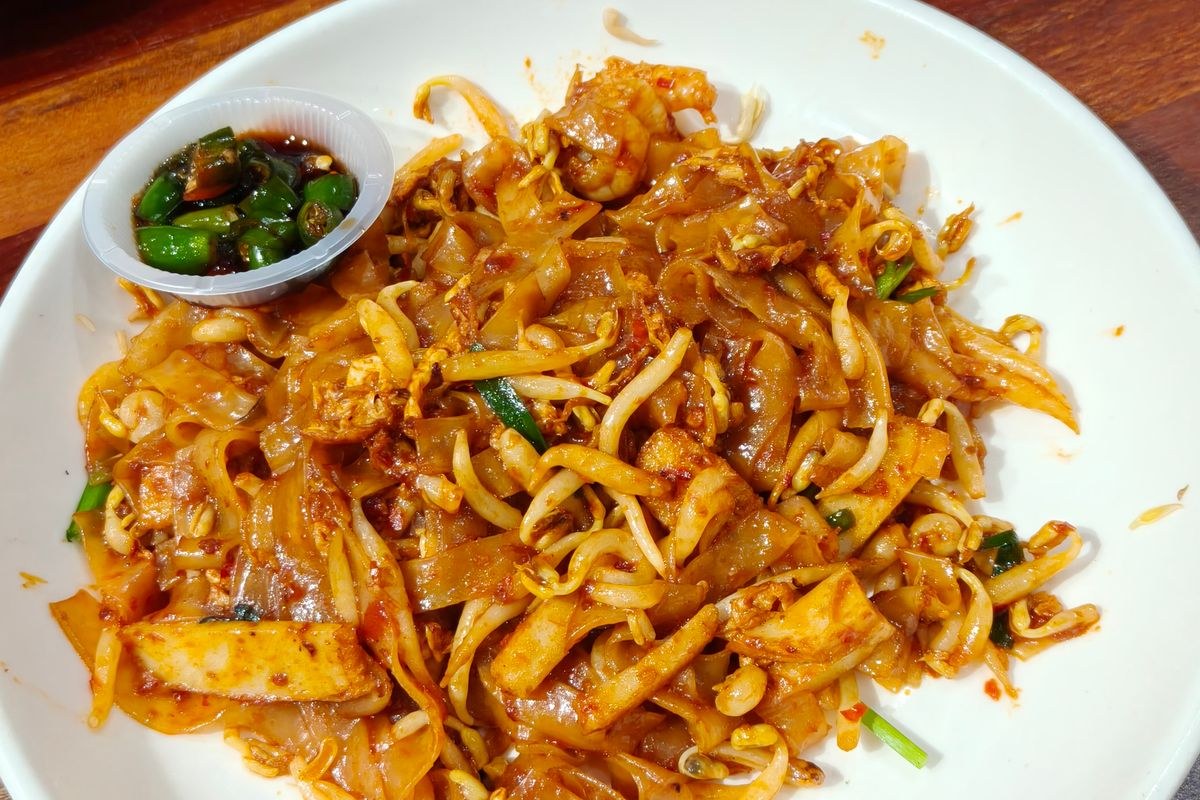
Char Kway Teow: Smoke, Sweet Soy, and a Wok That Means Business
If your kitchen doesn't smell like a hawker stall after you make this, you went too easy on the heat. Char kway teow needs a ripping hot wok, a...
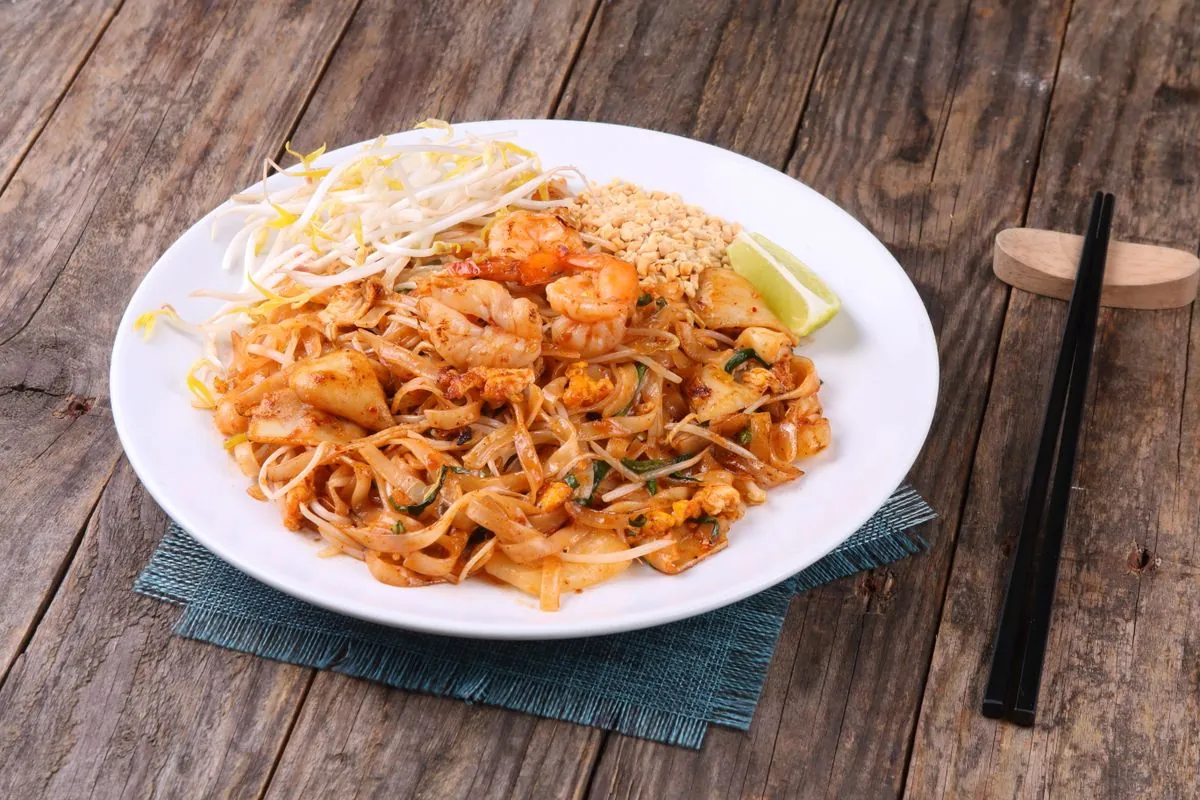
Pad thai lives or dies on its sauce, and that sauce is a tug of war in a bowl. Tamarind pulls it sour. Palm sugar pulls it sweet. Fish sauce pulls it salty and deep. When those three are in balance, the noodles taste bright and rich at the same time, and you keep going back for one more bite long after you told yourself you were done.
A lot of takeout versions lean way too hard on the sugar and come out tasting like candy noodles. We're not doing that here. This sauce should hit sour first, then salty, with the sweetness rounding out the back end. Taste it before it goes anywhere near the wok and fix it while fixing is easy. Too sharp? A pinch more sugar. Too flat? A splash more fish sauce or tamarind. Your tongue is the recipe card here.
The cooking itself is quick, almost rude quick. Once the noodles hit a hot wok, you've got about five minutes of tossing, pouring, and scrambling, with zero time to go hunting for the peanuts you forgot to crush. So line everything up next to the stove before you turn on the heat. Shrimp peeled, tofu cut, eggs beaten, sauce mixed. Mise en place sounds fancy. Really it's just not panicking in public.
Use the biggest wok or skillet you've got, get it properly hot, and cook with confidence. Shrimp go in and out fast so they stay snappy. Tofu gets real color. Noodles finish cooking right in the sauce, drinking it up as they soften. Pile it on a plate with crunchy bean sprouts, crushed peanuts, and a lime wedge, and eat it right away. Pad thai waits for nobody.
Put the rice noodles in a large bowl and cover them with warm tap water. Soak for 25 to 30 minutes, until they're pliable and bend easily but still firm in the center. They'll finish cooking in the wok, so don't soak them until they're soft. Drain them well and set them aside.
Make the sauce while the noodles soak. Put the tamarind paste, fish sauce, palm sugar, soy sauce, water, and chili flakes in a small bowl and stir until the sugar dissolves. Taste it and adjust now: a little more sugar if it's harsh, a little more tamarind if it's dull.
Pat the shrimp dry with paper towels and sprinkle them with the kosher salt. Dry shrimp sear. Wet shrimp steam, and steamed shrimp in pad thai is a letdown nobody asked for.
Heat 1 tablespoon of the oil in a large wok or wide skillet over high heat until it just starts to shimmer. Add the shrimp in a single layer and cook for 1 to 2 minutes per side, until they're pink and just cooked through. Move them to a plate. Don't wipe out the wok.
Add another tablespoon of oil to the wok. Add the tofu cubes and cook for 3 to 4 minutes, turning them now and then, until they're golden on most sides. Move the tofu to the plate with the shrimp.
Drop the heat to medium high and add the last tablespoon of oil. Add the garlic and stir for about 20 seconds, just until it smells good. Don't let it brown.
Add the drained noodles and pour the sauce over the top. Toss with tongs for 2 to 3 minutes, lifting and turning so every strand gets coated. If the pan looks dry before the noodles are tender, splash in water a tablespoon at a time. The noodles are ready when they're tender with a little chew left and they've drunk up most of the sauce.
Push the noodles to one side of the wok. Pour the beaten eggs into the empty side and scramble them with a spatula for about 30 seconds, until they're just set in soft curds. Toss the eggs through the noodles.
Add the shrimp and tofu back to the wok along with half the bean sprouts and all the green onions. Toss for 30 seconds, just until the shrimp and tofu are hot again and the sprouts soften a touch. Take the wok off the heat.
Divide the pad thai among four plates. Top each plate with the rest of the raw bean sprouts, a heavy hand of crushed peanuts, and a lime wedge. Put chili flakes on the table and let everybody set their own heat.
Soak the noodles, don't boil them. Boiled rice noodles go from firm to mush while you're reaching for the tongs, and mushy pad thai can't be saved by any sauce. Soaked noodles that feel a little underdone are perfect, because the sauce and the heat of the wok finish the job and the noodles keep their chew.
If your kitchen doesn't smell like a hawker stall after you make this, you went too easy on the heat. Char kway teow needs a ripping hot wok, a...
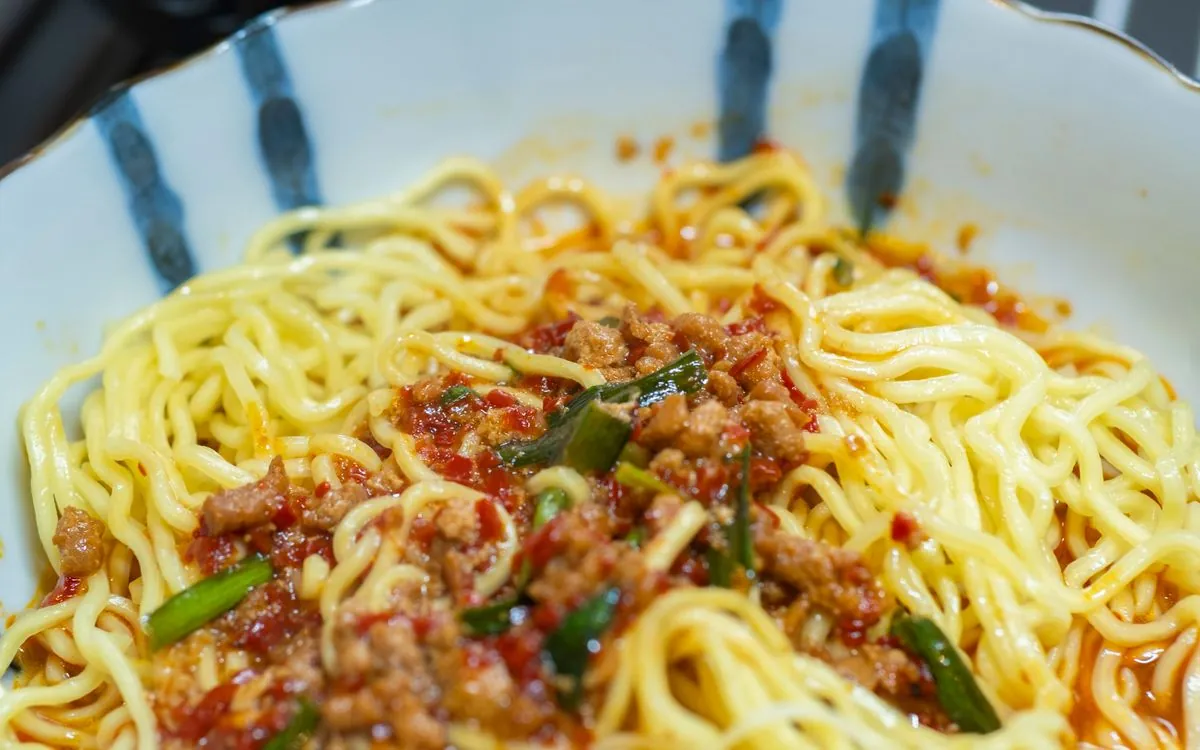
Some noodle bowls try to comfort you. Dan dan noodles wake you up, slap some heat on your tongue, and then comfort you. Chili oil, salty crisp pork...
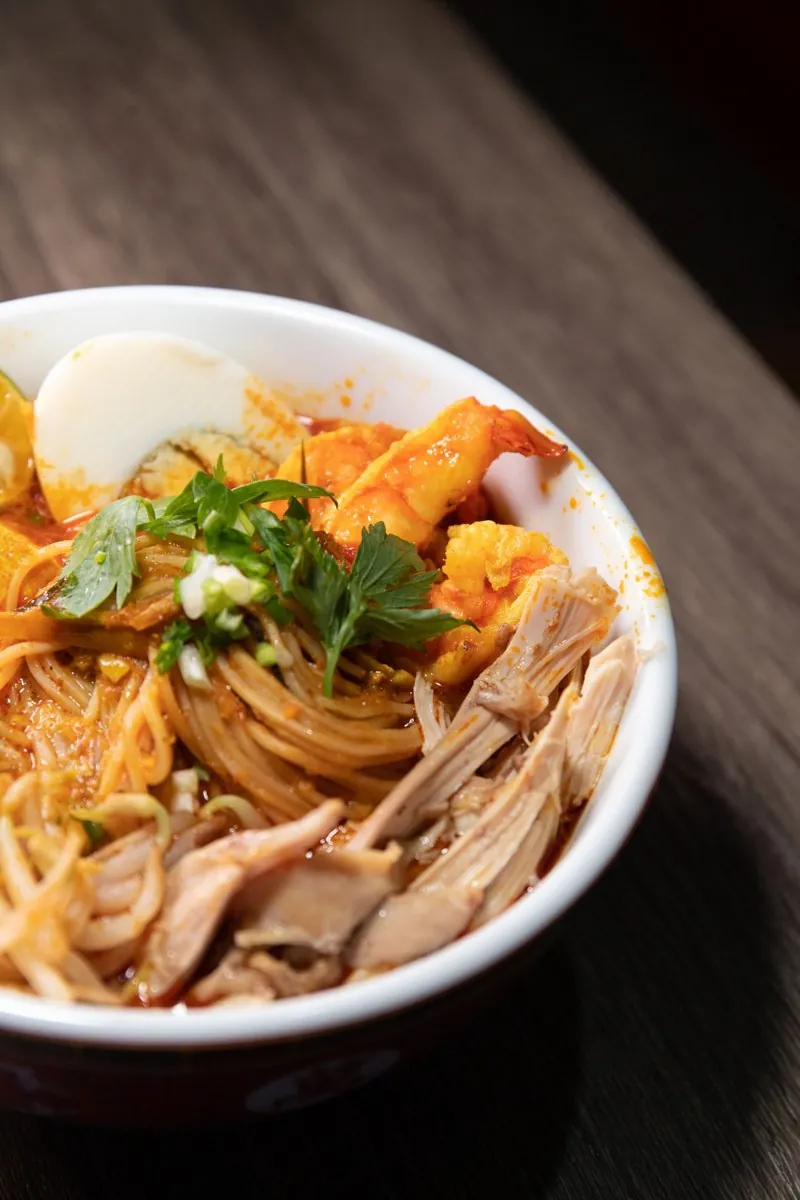
Laksa is the bowl I order when I want everything at once. Heat, coconut, noodles, shrimp, chicken, a broth you keep going back to with the spoon long...