
Recipe
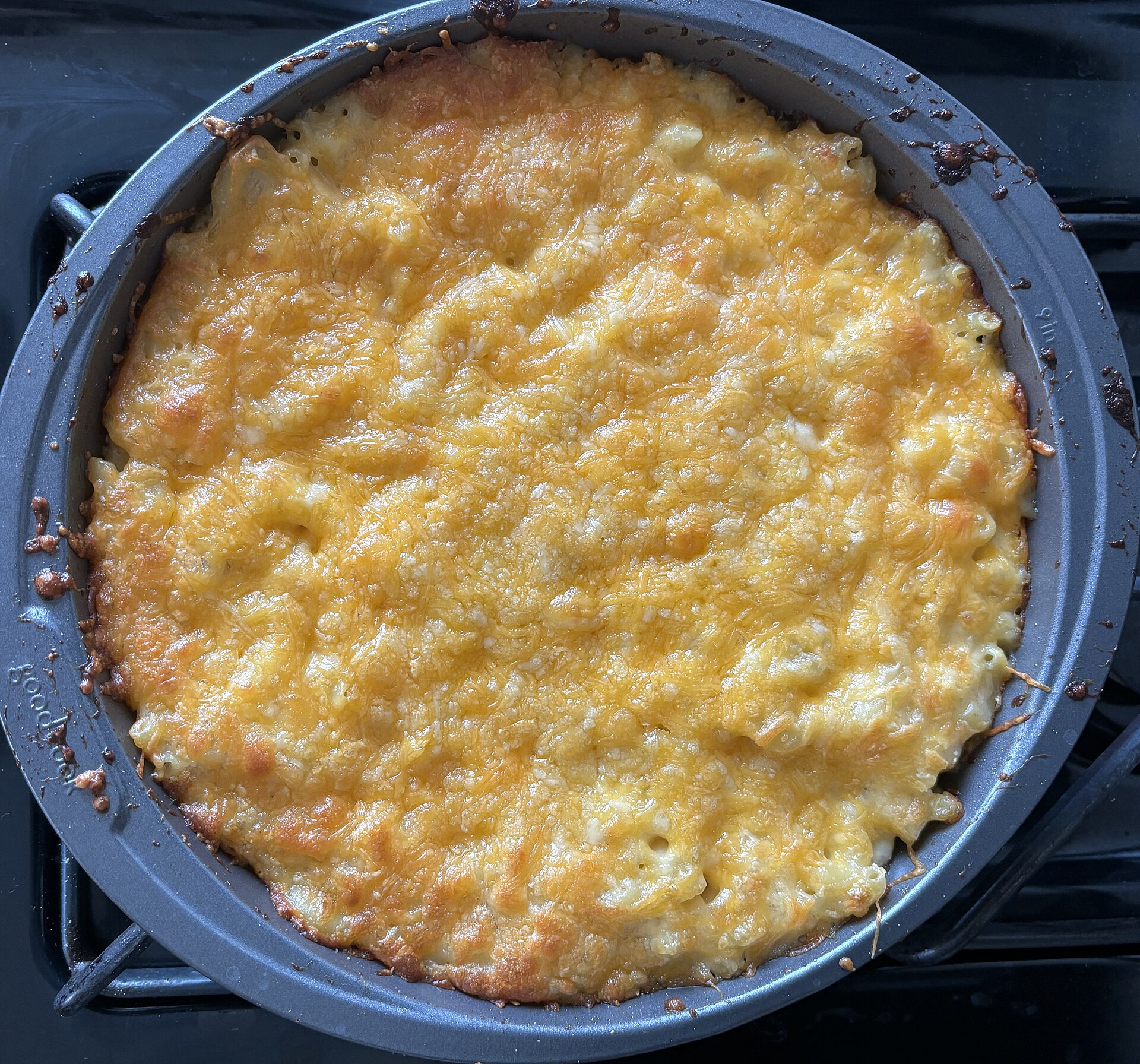
Baked Mac and Cheese: Golden Cheddar Top, Sauce That Clings
Boxed mac and cheese has its place, and that place is a dorm room at 1 AM with a borrowed fork. This is the other kind. Elbow macaroni folded into a...
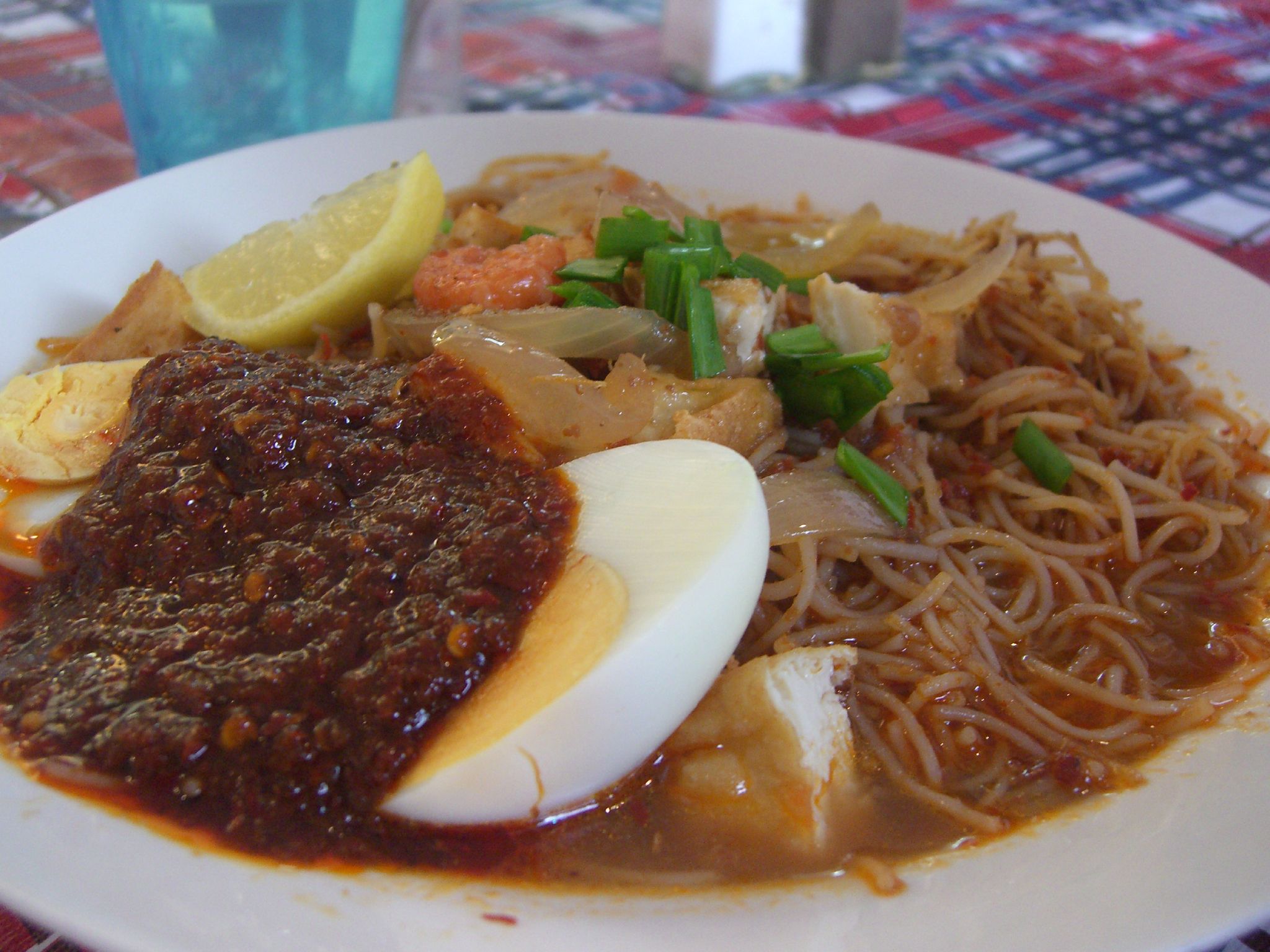
Mee siam doesn't ease you in. The first bite is sour, the second bite is sweet, and by the third bite the chili heat shows up and the whole plate starts making sense. Thin rice noodles under a reddish brown gravy with real tang, a halved egg up front, and a fat mound of dark sambal parked right next to it like a warning label. Hawker stalls in Singapore and Malaysia serve this plate for breakfast, lunch, and dinner, and it never lasts long once it hits the table.
The gravy is the whole job here. You blend shallots, garlic, soaked dried chiles, and dried shrimp into a paste, fry it in oil until it darkens and red oil pools at the edges, then stir in salted soybean paste, tamarind, stock, and sugar. That fry matters. Raw paste tastes harsh and flat, while paste cooked until the oil separates tastes round and full. Give it the minutes it asks for and the gravy comes together fast after that.
The toppings stay close to the photo. Halved hard boiled eggs and the sambal mound sit at the front of the plate, fried tofu puffs soak up gravy, small shrimp and sliced onion ride on the noodles, chopped spring onions scatter over the top, and a lemon wedge waits at the back. Squeeze the lemon over everything, mix in a little sambal first, and add more only after you've tasted it. Sambal has ended more brave first bites than I can count.
Make the spice paste. Put the shallots, the garlic, the drained chiles, the drained dried shrimp, and the shrimp paste in a blender with 1/4 cup water and blend it into a smooth paste. Scrape the sides down once and blend it again, because stray chunks fry unevenly.
Fry the paste until the oil separates. Heat the oil in a large pot over medium heat, add the paste, and fry it for 8 to 10 minutes, stirring often, until it darkens, smells cooked and sweet, and red oil pools at the edges.
Build the gravy. Stir the taucheo into the paste and fry it for 1 minute more. Pour in the stock, stir in the tamarind paste, the sugar, and the salt, and bring the pot to a simmer. Cook it for 10 minutes, taste it, and fix the balance in the pot. It should hit sour first, then sweet, then salty, with heat running under all of it. Keep it warm on low heat.
Boil the eggs and cook the shrimp. Put the eggs in a small pot of cold water, bring the water to a boil, take the pot off the heat, cover it, and let the eggs sit for 10 minutes. Cool the eggs under cold water, peel them, and cut each egg in half. Drop the shrimp into the simmering gravy for about 2 minutes, until they turn pink, then lift them out and set them aside.
Soften the noodles. Put the vermicelli in a large bowl, cover it with hot water, and let it sit for 5 to 7 minutes, until the strands turn soft and bend without snapping. Drain the noodles well. Rice vermicelli keeps cooking in the hot gravy, so pull it while it still has a little bite.
Blanch the sprouts and warm the tofu. Drop the bean sprouts into the simmering gravy for 30 seconds, lift them out with a slotted spoon, and set them aside. Add the tofu puff halves to the gravy and simmer them for 2 minutes, so the puffs soak up the sauce instead of sitting dry on top of the plate.
Plate the noodles. Divide the noodles among 4 wide, shallow plates and toss each pile with the bean sprouts and the sliced onion. Ladle the hot gravy over the noodles until it coats every strand and pools a little at the front of the plate, the way it pools in the photo. Set the tofu puffs and the shrimp on top of the noodles.
Finish each plate. Set 2 egg halves at the front of each plate, cut side up, and put a generous spoonful of sambal right beside the egg, in one dark mound. Scatter the chopped spring onion greens over the noodles and set a lemon wedge at the back of each plate. Serve the plates hot, with the extra sambal on the table.
Taste the gravy before a single noodle goes near it. Tamarind jars differ a lot, so 3 tablespoons from one jar can taste twice as sour as 3 tablespoons from another jar. Fix the gravy in the pot, with sugar if it's too sour, tamarind if it tastes flat, and salt if it tastes dull. Once the noodles are in, you're chasing the balance instead of setting it.
Boxed mac and cheese has its place, and that place is a dorm room at 1 AM with a borrowed fork. This is the other kind. Elbow macaroni folded into a...
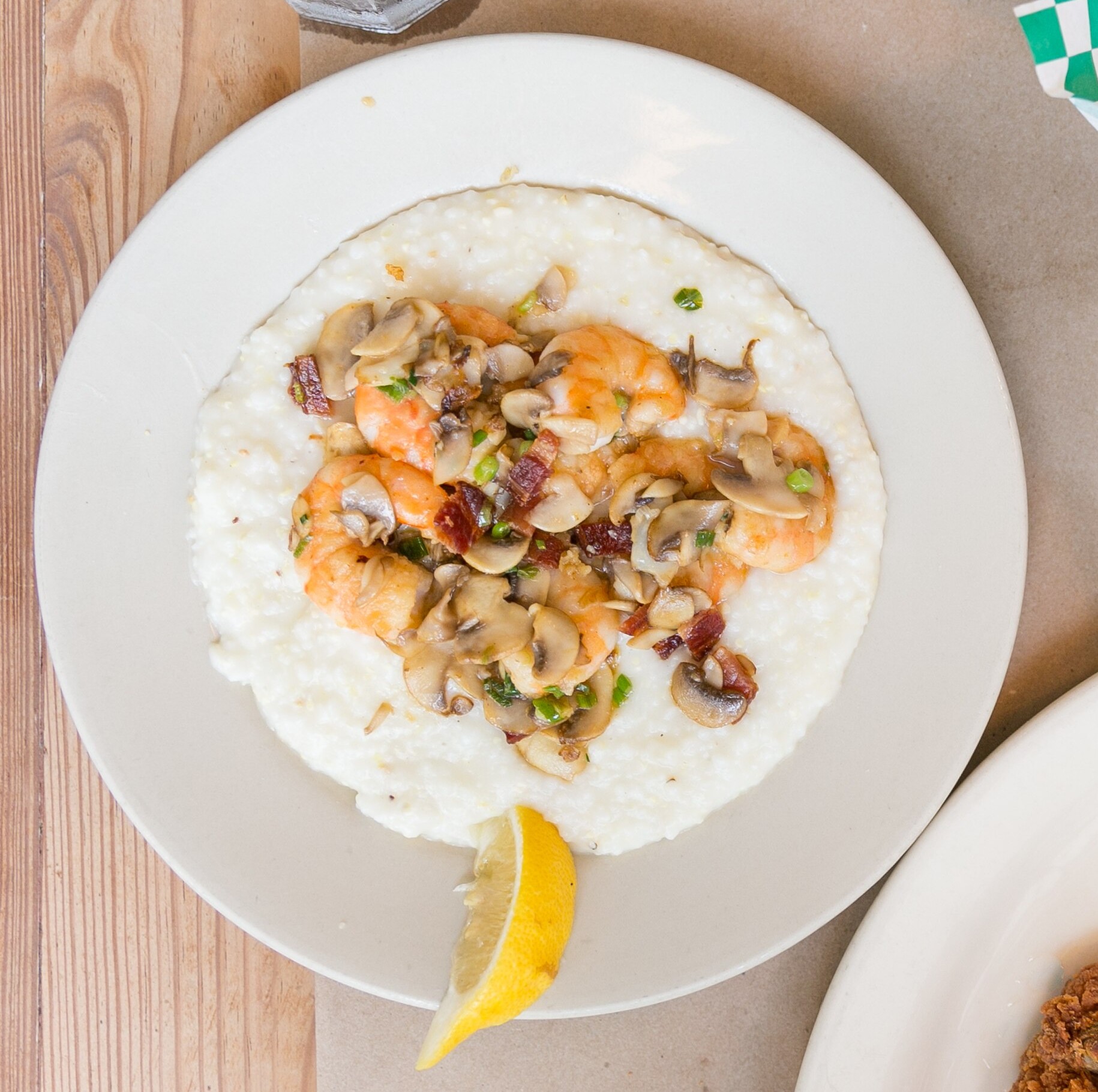
Shrimp and grits sounds like two foods that met by accident. Grits are breakfast food. Shrimp show up at dinner. Put them on the same plate and...
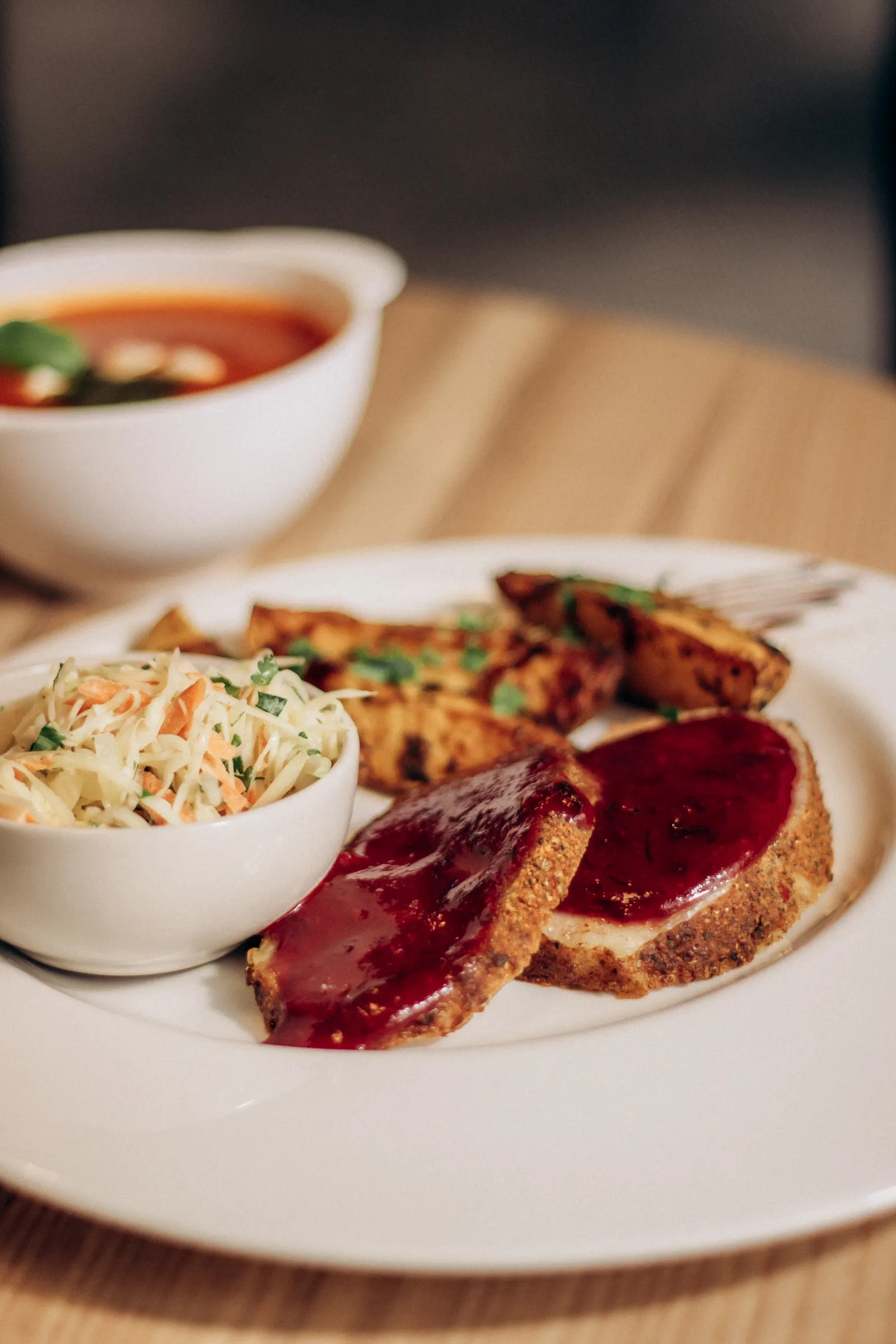
Meatloaf gets joked on like it owes people money, and I've never understood it. A good one is a giant sliceable meatball with a shiny red top, and...